
EU AI Act News: What Businesses Need to Know in 2026
Artificial intelligence regulation is no longer just a “future problem.” It’s happening now. And if you’ve been following recent eu ai act news, you’ve probably noticed something interesting: companies everywhere — not just in Europe — are suddenly paying attention to AI compliance.
That shift makes sense. AI systems are now deeply involved in content generation, hiring, customer support, marketing automation, financial analysis, productivity software, cybersecurity, and even healthcare workflows. At some point, global regulation became inevitable. If you are exploring how to make money online in this ecosystem, keeping up with the official eu ai act news releases is essential for baseline asset safety.
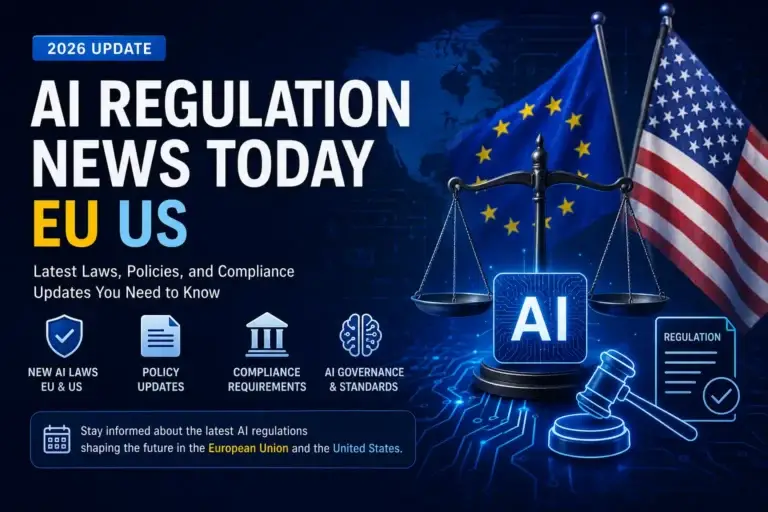
The European Union moved faster than most governments by introducing the framework designed to regulate artificial intelligence based on risk levels and real-world impact. Some see it as necessary protection, while others worry it could slow innovation. Honestly, both arguments have some truth to them. But regardless of opinion, one thing is clear: tracking eu ai act news updates is already shaping how AI companies build products, market services, and manage compliance in 2026.
This guide breaks down:
- The latest eu ai act news details
- What the regulation actually means
- How businesses may be affected
- Which industries face the biggest changes
- And what creators, startups, and SaaS companies should prepare for next
What Is the EU AI Act?
The EU AI Act is Europe’s large-scale regulatory framework for artificial intelligence systems. Instead of treating all AI equally, the law uses a strict risk-based structure. That means different AI systems face completely different compliance requirements depending on potential harm, sensitivity, industry usage, and overall user impact.
In practice, the law focuses heavily on transparency, accountability, human oversight, risk mitigation, and consumer protection. Reviewing the ongoing eu ai act news highlights that the more powerful or sensitive an AI system becomes, the stricter the rules should be. That sounds reasonable on paper, but actual backend implementation is where things become complicated.
Why the EU AI Act Matters Globally
A lot of people assume this regulation only affects companies physically located in Europe. That’s not really true. If your AI product serves EU users, processes European customer data, or operates inside European digital markets, the rules apply. This affects SaaS platforms, marketing tools, recruitment software, and even a custom ai passive income generator structure deployed internationally.
Even many US-based companies are now adjusting workflows because of EU compliance concerns. Something similar happened with GDPR years ago. Tracking the latest eu ai act news trends reveals that European regulation heavily influences global digital standards because large companies prefer maintaining unified systems instead of separate compliance structures for every region.
Latest EU AI Act News in 2026
The biggest eu ai act news stories recently involve enforcement preparation, transparency requirements, AI risk classification, compliance timelines, and generative AI obligations. Several enterprise AI companies are already expanding internal governance teams to prepare for stricter oversight. For example, staying informed via AI compliance news dashboards allows operators to see real-world policy rollouts early.
That includes organizations working on generative AI, automation systems, AI productivity tools, large language models, and AI analytics platforms. Some companies are responding proactively, while others still seem unsure how aggressive enforcement will become. Realistically, smaller startups may struggle more than large enterprise vendors. Big companies can afford legal teams and compliance specialists, whereas solo operators trying to build the best AI side hustles must rely on lean documentation frameworks.
How the EU AI Act Classifies AI Systems
One of the most important parts of the regulation is the risk classification model. According to current EU AI Act Official Documentation, the framework generally divides systems into clear operational risk tiers:
Minimal Risk AI
These systems face limited regulation. Examples may include spam filters, recommendation engines, simple AI assistants, and AI gaming systems. Most casual tools fall here. If you check our comprehensive index of top AI tools, a large majority belong safely to this minimal tier.
Limited Risk AI
These systems require certain transparency obligations. For example, chatbots, AI-generated media, and virtual assistants must disclose their artificial nature. Users need disclosure when interacting with AI-generated content. That matters especially for AI marketing, social media automation, customer support bots, and creators selecting the best AI tools for content creation for public campaigns.
High-Risk AI Systems Explained
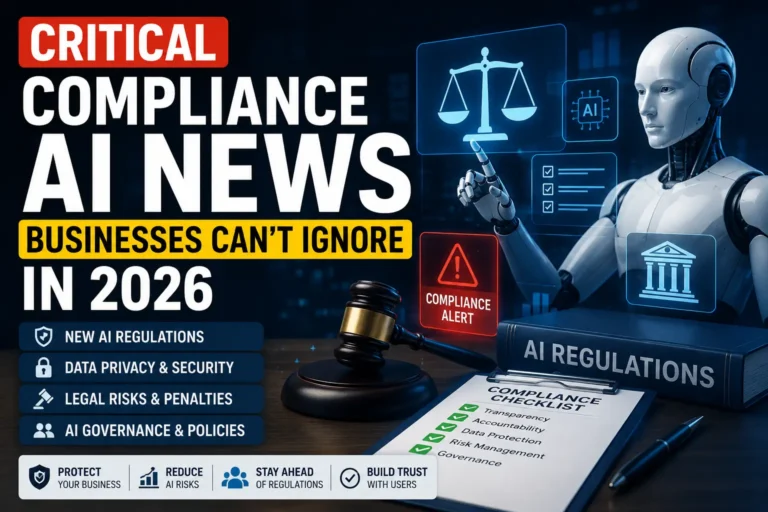
This category receives the most attention. High-risk systems often involve hiring decisions, healthcare, education, law enforcement, finance, and biometric identification. These systems require detailed documentation, human oversight, logging systems, bias assessments, and strict compliance reporting. Following the stream of eu ai act news indicates that compliance could become expensive, especially for smaller software houses.
Prohibited AI Practices
Some AI use cases face outright bans, including manipulative systems, exploitative behavioral targeting, and certain biometric surveillance applications. The exact legal interpretation continues evolving through ongoing regulatory discussions across international panels.
How AI Businesses Are Responding
The response from AI companies has been mixed. Large enterprise platforms like Microsoft, Google, OpenAI, and IBM are already investing heavily in AI governance, compliance workflows, and transparency systems. They understand regulation is becoming part of long-term infrastructure. For a strategic breakdown of modern data markets, reading our review on the future of AI shows how corporate investments are shifting.
Smaller businesses are more divided. Some founders see regulation as necessary, while others worry it creates barriers favoring large corporations. In practice, regulation increases operational complexity. Freelancers who understand how to start freelancing with no experience can capitalize on this by positioning themselves as specialized governance transition assistants.
Impact on AI Content and Marketing
This section matters a lot for creators and marketers. The regulation could significantly influence AI-generated content, automated marketing systems, synthetic media, and chatbot interactions. For instance, transparency rules may force businesses to disclose when AI codes recommendations. If you run AI blogs, automated agencies, or review the 100 ways to make money with AI 2026 models, it’s smart to monitor the eu ai act news landscape closely to adjust consumer-facing disclosures early.
Challenges for Startups and Small Businesses
This is probably where the biggest tension exists. Large companies adapt faster because they have compliance teams, while smaller founders operate leaner. That creates challenges like compliance costs, unclear legal interpretation, and documentation complexity. Operators often look at the best AI tools for freelancers or apply specialized AI tools for freelancers to optimize bids to preserve margins as regulatory overhead grows.
AI Compliance Tools and Platforms
Interestingly, regulation is creating new business opportunities. A growing number of SaaS companies now focus on AI governance, risk analysis, and compliance reporting. This niche could grow dramatically. In practice, managing transparency requirements may create an entirely new software category. Enterprises frequently utilize the Ziptie AI tool or study why choose Ziptie AI search analytics to audit compliance risks inside organic search visibility layouts cleanly.
Comparison Table
| Category | Risk Level | Compliance Requirements |
|---|---|---|
| Spam Filters | Low | Minimal Risk Management |
| AI Chatbots | Medium | Transparency Disclosures |
| AI Marketing Systems | Medium | Disclosure Obligations |
| Hiring Algorithms | High | Monitoring + Documentation |
| Healthcare AI | High | Strict Quality Control |
| Biometric Surveillance | Very High | Potential Restrictions |
How Businesses Can Prepare
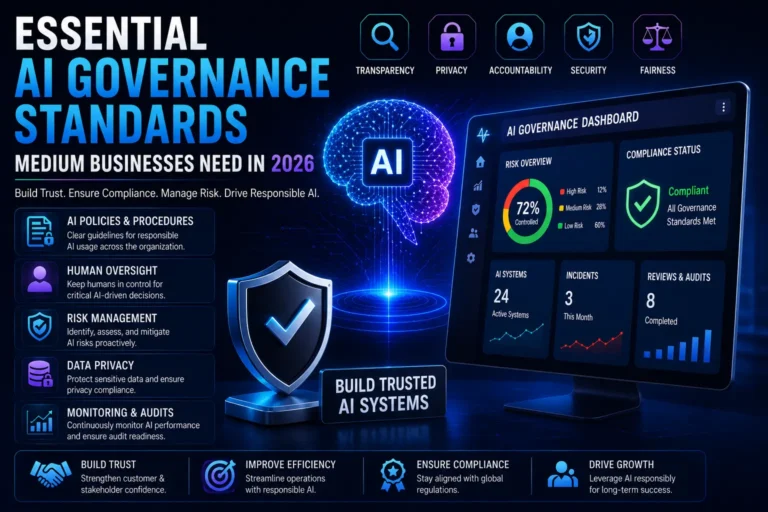
If you work in AI-related industries, waiting until enforcement becomes aggressive isn’t ideal. Smarter preparation includes auditing AI systems, documenting workflows, and creating clear governance policies. Testing internal software choices against the best free AI tools for human resources helps operational teams discover which tools lack standard compliance data logs.
Future Predictions for AI Regulation
A few structural trends already seem obvious:
- More Countries Will Follow: The EU won’t remain alone. Other governments are already exploring regional transparency frameworks and accountability standards.
- Enterprise Compliance Will Become Normal: Eventually, AI governance may become similar to cybersecurity audits or standard GDPR compliance.
- AI Transparency Will Increase: Users want to know what is AI-generated and how data is used. Keeping up with global AI regulation news today EU US briefs ensures your systems align with market expectations.
To prepare your workforce for these changes, checking out the best AI human resources courses is highly recommended. Operators also review the Drovenio AI tools 2025 technical breakdown to implement modular compliance features seamlessly.
FAQ
What is the core focus of the latest eu ai act news?
The latest eu ai act news updates focus heavily on the impending enforcement timelines, risk classifications, and mandatory labeling systems for generative media.
Does the EU AI Act affect international freelancers?
Yes. If you offer services to European markets, you must comply. Finding clients through the best websites for freelancers requires adapting your delivery to match these standards.
What are the fundamental skills needed for compliance management?
Studying the best freelancing skills to learn highlights data auditing, technical documentation, and workflow transparency as top enterprise demands.
Where can I find legal timelines for implementation?
According to updates tracked by legal authorities at McCann FitzGerald Law Insights, general applicability milestones rollout progressively through 2026 and 2027.
Is there a guide to passive income safety under these laws?
Yes. Reviewing our checklist on how to make passive income with AI ensures your automated sites don’t trigger low-effort content flags under new transparency rules.
Final Thoughts
The reason eu ai act news keeps gaining attention is simple: AI is no longer experimental technology. It’s becoming digital infrastructure. And once technology reaches that level of influence, legal regulation becomes completely inevitable.
Some businesses will see these frameworks as friction. Others will treat them as an opportunity to build stronger, more trustworthy systems. Either way, corporate AI governance is quickly becoming part of the future of digital business globally.
Accelerate Your Search Visibility
Ready to upgrade your content workflow and master semantic SEO? Discover our vetted, strategic blueprints to systematically improve your online presence.
Explore AI Blueprints